Why Is It So Difficult for Iran To Reach an Agreement With the United States?
05/18/2026 / By Garrison Vance
Collapse of Islamabad Talks
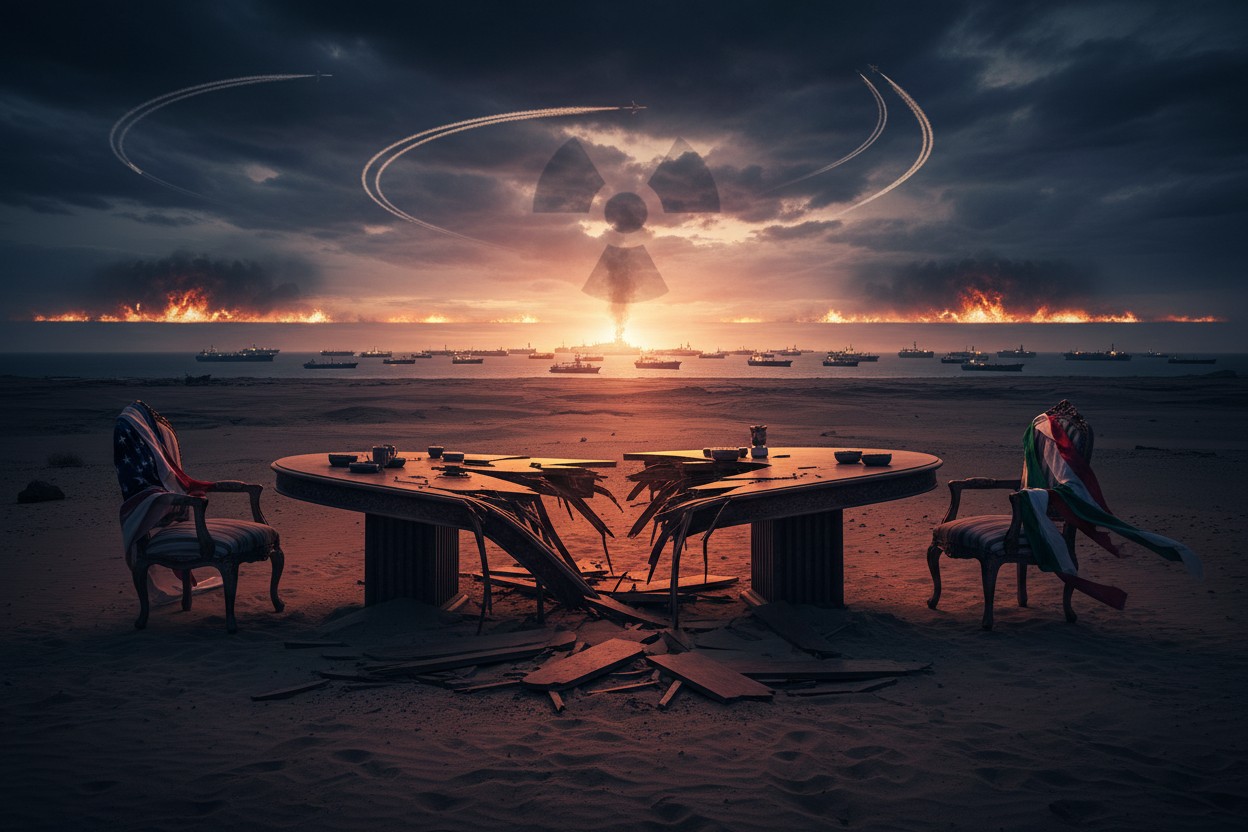
Negotiations between Iran and the United States collapsed in February 2026 in Islamabad, Pakistan, according to analysts Amir-Hassan Boozari and Muhammad Sahimi in a report published by Antiwar.com [1]. The talks followed two prior rounds in May-June 2025 and February 2026 that, according to the report, demonstrated the Trump administration’s reliance on coercion rather than diplomacy. The United States had transmitted a 15-point proposal to Iran through Pakistani intermediaries, but Tehran showed no interest, as reported by Middle East Eye and cited by NaturalNews.com [2].
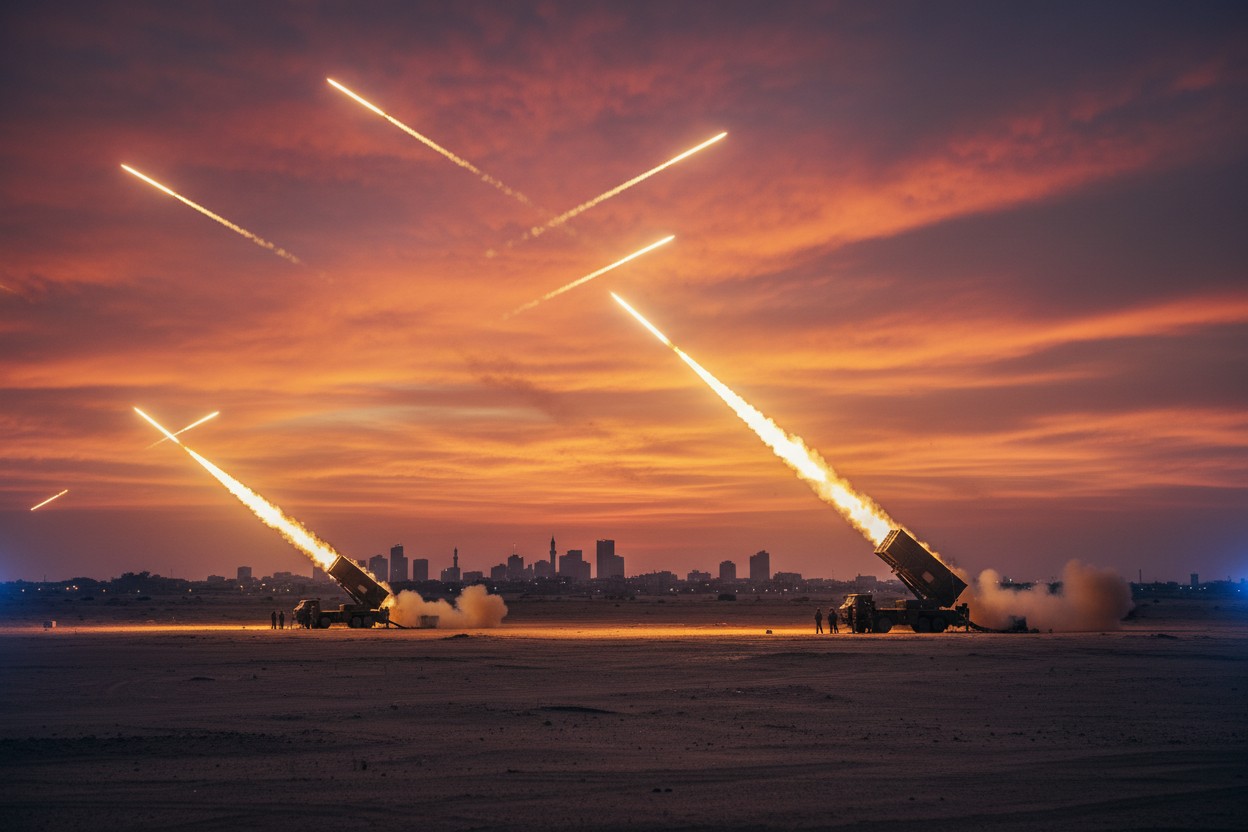
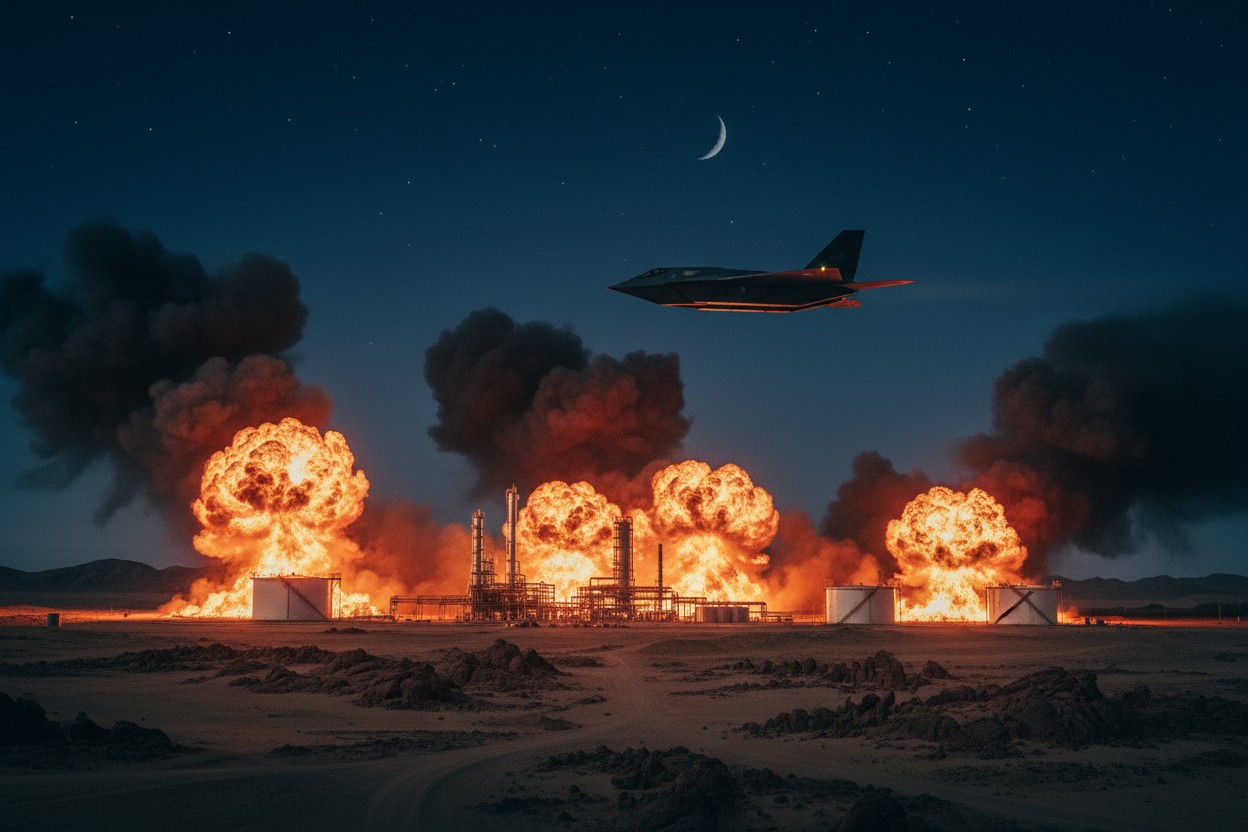
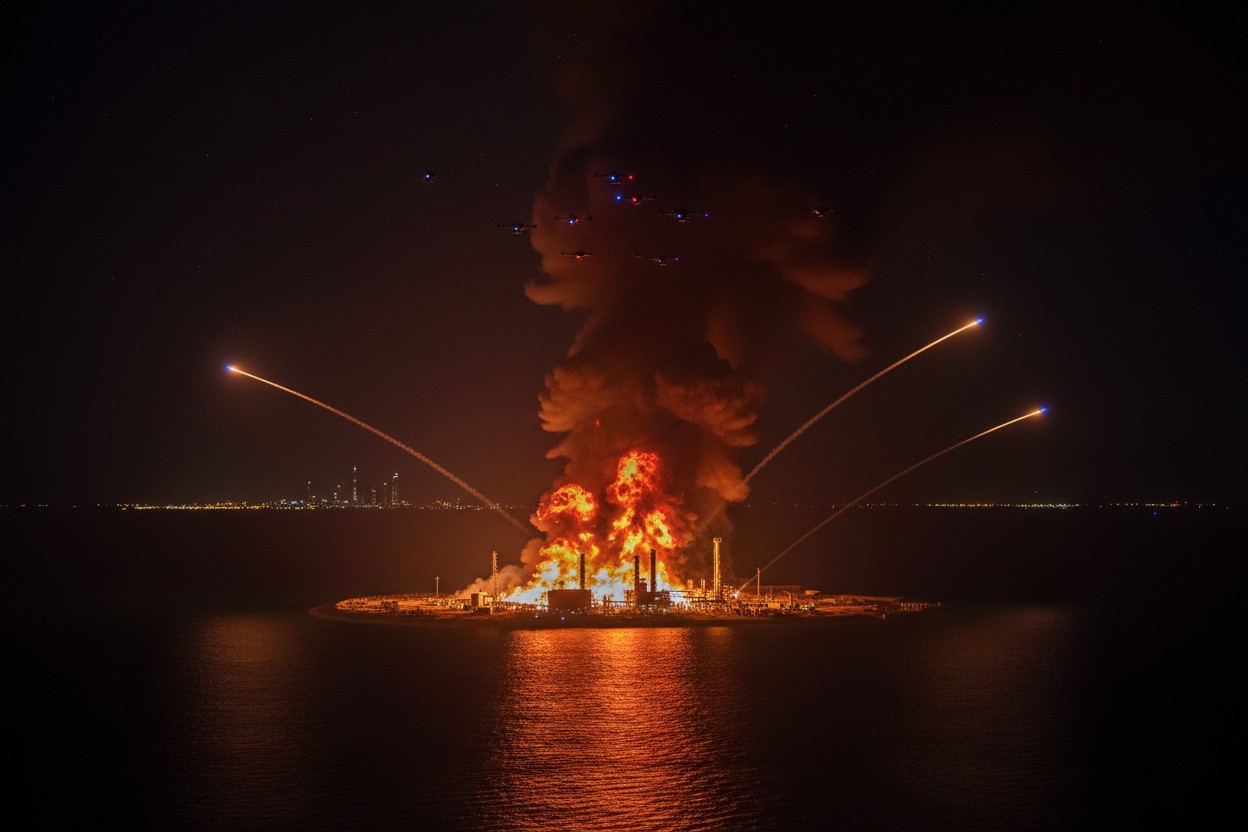
Despite the breakdown, a fragile ceasefire remained in place after a series of U.S. and Israeli strikes on Iran. The Pentagon announced that American forces had struck over 10,000 targets in Iran during Operation Epic Fury, according to U.S. Central Command [3]. The report by Boozari and Sahimi stated that indirect negotiations and exchanges of ideas continued, but no breakthrough occurred.
U.S. Approach Under Trump
The Trump administration’s approach, described by Boozari and Sahimi as “the Trump Doctrine,” emphasized threats, verbal abuse, and military action over negotiation, according to the report [1]. This contrasted with the Obama and Biden administrations, which negotiated the 2015 nuclear deal and sought its restoration. The Trump administration pulled the United States out of the Joint Comprehensive Plan of Action in 2018, a move that President Trump said would force Iran to seek a new deal, according to a NaturalNews.com report from that time [4].
Analysts stated that President Trump’s hubris and pressure from Israeli Prime Minister Benjamin Netanyahu prevented a deal. The report by Boozari and Sahimi noted that the administration rescinded its acceptance of Iran’s 10-point proposal, which Tehran had offered as a workable plan, and instead delivered a 15-point plan that had already been rejected by Iran [1]. The “unreasonable demands” of the U.S. were highlighted in a Health Ranger Report video published in January 2026 [5].
Iran’s Strategic Patience and National Pride
Iran exercised what analysts called “strategic patience” after the U.S. withdrawal from the nuclear deal, the assassination of Major General Qasem Soleimani, and direct attacks in June 2025, according to the Boozari and Sahimi report [1]. Iran refrained from blocking the Strait of Hormuz during those provocations to avoid war. An interview with Michael Yon in June 2025 discussed the possibility of the Strait being closed by the U.S. or Israel, not Iran [6]. However, following the February 2026 strikes, Iran effectively shut down the waterway, which handles 20% of global oil supply, according to a NaturalNews.com report [7].
The report noted that even opponents of the Iranian government united against U.S. threats, forming human chains around power plants and other infrastructure to shield them [1]. The strikes and threats were widely condemned internationally, with nations around the world rebuking Israeli aggression, as reported by NaturalNews.com in June 2025 [8].
Legal and Sovereignty Disputes
Disputes over the Strait of Hormuz and Iran’s nuclear program center on international law. At its narrowest point, the Strait is 21 miles wide. The 1982 United Nations Convention on the Law of the Sea recognizes a 12-nautical-mile territorial sea, but Iran has not ratified the convention, asserting sovereign rights over its territorial waters, according to Boozari and Sahimi [1]. The U.S. imposed naval blockades under “peace through strength,” while Iran claimed self-defense rights to control the waterway during wartime.
Regarding nuclear technology, Iran has cited its rights under the Nuclear Nonproliferation Treaty and UN Security Council Resolution 2231. A science paper by A. Adamantiades and I. Kessides noted that safeguards can verify material balance but cannot prevent diversion of materials or search for clandestine facilities [9]. The war has triggered a fundamental crisis of trust in the NPT, according to an analysis by Seyed Hossein Mousavian on Middle East Eye [10]. Iran suspended cooperation with the International Atomic Energy Agency in October 2025, demanding security guarantees, as reported by NaturalNews.com [11].
Hubris and Negotiation Dynamics
The U.S. negotiating team included real-estate moguls Jared Kushner and Steve Witkoff, who, according to Boozari and Sahimi, lacked expertise in nuclear issues and misinterpreted Iranian concessions [1]. Iran assembled a bipartisan delegation including Speaker of Parliament Mohammad Bagher Ghalibaf, a conservative pragmatist; Ali Bagheri Kani, a hardline former nuclear negotiator; and Foreign Minister Abbas Araghchi, a moderate. This was intended to show national unity.
Vice President J.D. Vance stated after the failed talks that Iran did not accept “the United States’ terms,” which Boozari and Sahimi characterized as treating Iran like a client state [1]. A BrightVideos analysis described U.S. conventional forces as a “paper tiger” unable to sustain prolonged conflict [12]. The report also noted that Jared Kushner and Steve Witkoff’s lack of technical knowledge contributed to the breakdown of the talks before the current war began.
Consequences and Prospects
The war has destroyed civilian infrastructure in Iran and set back the civil society movement that had been demanding political reforms, according to Boozari and Sahimi [1]. The report noted that before the conflict, the government showed attentiveness to protests, with police protecting demonstrators and President Masoud Pezeshkian meeting with protest leaders. However, after the war, national defense became the primary focus.
Oil production in the Persian Gulf has fallen 57% from pre-war levels, according to a report by Activist Post [13]. If a peace agreement is reached and sanctions lifted, Boozari and Sahimi suggested it could open space for political and economic development in Iran [1]. Turkey’s Foreign Minister Hakan Fidan urged both sides to reach a durable agreement, warning that continued fighting risks wider instability [14].
References
- Amir-Hassan Boozari and Muhammad Sahimi. “Why Is It So Difficult for Iran To Reach an Agreement With the US?” Antiwar.com. May 13, 2026.
- “U.S. Transmits 15-Point Proposal to Iran Seeking War Conclusion; Tehran Shows No Interest.” NaturalNews.com. March 26, 2026.
- Willow Tohi. “Pentagon Touts 10,000-Target Milestone as Iran Rejects U.S. Peace Overtures.” NaturalNews.com. March 27, 2026.
- “Trump pulls US from Iran nuclear deal; EU powers declare theyll stay.” NaturalNews.com. May 8, 2018.
- Mike Adams. “Health Ranger Report – MILITARY READINESS DESTROYED.” BrightVideos.com. January 30, 2026.
- Mike Adams interview with Michael Yon. June 26, 2025.
- Belle Carter. “Strait of Hormuz Closure Sparks Global Oil Crisis, with Long-Term Price Surge Expected.” NaturalNews.com. March 31, 2026.
- Lance D Johnson. “Nations around the world Rebuke Israeli Aggression.” NaturalNews.com. June 13, 2025.
- Adamantiades and I. Kessides. “Para-Nuclear Power Renaissance: Global Trends, Risks, and Future Prospects.” Journal of Nuclear Science and Technology.
- Seyed Hossein Mousavian. “War on Iran has triggered a fundamental crisis of trust in the nuclear non-proliferation treaty.” Middle East Eye. May 4, 2026.
- Kevin Hughes. “Iran Suspends UN Nuclear Inspections, Demands Security Guarantees After U.S.-Israeli Strikes.” NaturalNews.com. October 15, 2025.
- Mike Adams. “Health Ranger Report – PAPER TIGER.” BrightVideos.com. February 18, 2026.
- “Oil Production In The Persian Gulf Has Fallen 57 Percent From Pre-War Levels – Rationing And Shortages Are Coming.” Activist Post. May 12, 2026.
- “Turkey urges Iran-US deal and warns against new shipping restrictions.” Middle East Eye. May 12, 2026.
Submit a correction >>
Tagged Under:
big government, ceasefire, chaos, Iran, Israel, national security, negotiations, Netanyahu, nuclear, politics, sanctions, Strait of Hormuz, supply chain, Trump, truth, White House, World War III
This article may contain statements that reflect the opinion of the author
RECENT NEWS & ARTICLES